When selecting insulation tubing for medical devices, Polyimide (PI) tubing outperforms most alternatives in high-temperature resistance, dimensional precision, and mechanical strength. For minimally invasive instruments — catheters, endoscopes, stent delivery systems — where tight tolerances and biocompatibility are non-negotiable, PI tubing is often the definitive choice. This article compares PI tubing against PTFE, PEEK, nylon, and silicone across the metrics that matter most in clinical applications.
What Makes Polyimide Tubing Uniquely Suited for Medical Devices
Polyimide is a high-performance polymer synthesized from aromatic dianhydrides and diamines, producing a material with an exceptional combination of thermal stability, mechanical rigidity, and chemical inertness. In medical tubing, these properties translate directly to functional advantages:
Ultra-thin wall construction: PI tubing achieves wall thicknesses as low as 0.013 mm through advanced coating processes, maximizing inner lumen while maintaining structural integrity.
Extreme temperature tolerance: Long-term operating temperatures exceed 350°C, with short-term peaks up to 450°C — critical during steam autoclave sterilization cycles.
Dimensional stability: The stiff modulus of PI prevents kinking or deformation under catheter navigation forces, essential in tortuous vascular anatomy.
Biocompatibility: PI tubing exhibits confirmed biocompatibility, meeting the requirements for implantable and blood-contacting device applications.
Direct adhesion: PI bonds directly to nylon and TPU without surface pre-treatment, simplifying multi-layer catheter assembly.
LINSTANT's proprietary PI solutions extend these capabilities further by enabling customization of modulus, tensile strength, elongation, and color — allowing device engineers to fine-tune mechanical behavior for specific procedural demands.
Polyimide vs PTFE: Dimensional Precision and Structural Rigidity
PTFE (polytetrafluoroethylene) is a well-established liner material in catheters, prized for its lubricity and chemical resistance. However, PTFE's mechanical softness and limited structural rigidity make it unsuitable as a standalone structural tube in fine-gauge applications.
Key Differences
Wall thickness: PTFE tubes typically require walls ≥0.05 mm for structural integrity; PI tubing achieves functional walls at 0.013–0.025 mm, preserving lumen diameter.
Tensile modulus: PI has a tensile modulus of ~3–4 GPa vs PTFE's ~0.5 GPa — PI tubing resists deformation under torque and push forces in guidewire and catheter systems.
Adhesion: PTFE's non-stick surface requires plasma or chemical etching before bonding; PI bonds directly to TPU and nylon, reducing manufacturing steps.
Temperature range: Both handle sterilization temperatures well, but PI's 450°C peak rating provides more headroom for high-energy applications such as electrosurgical instruments.
In practice, PTFE is often used as an inner liner for lubricity while PI serves as the structural outer layer — a combination that leverages the strengths of both materials.
Polyimide vs PEEK: Performance at Extreme Conditions
PEEK (polyether ether ketone) is PI's closest competitor in medical high-performance tubing. Both materials share high modulus, thermal resistance, and biocompatibility, but they diverge significantly in processing, geometry, and specific mechanical profiles.
Property
Polyimide (PI)
PEEK
Continuous Use Temperature
>350°C
~260°C
Minimum Wall Thickness
~0.013 mm
~0.10 mm
Tensile Modulus
3–4 GPa
3.6–4.2 GPa
Biocompatibility
Confirmed
Confirmed
Direct Bonding (TPU/Nylon)
Yes, no pre-treatment
Requires surface treatment
Available Inner Diameter Range
0.10–5.00 mm
0.25–10 mm (typical)
Radiopacity (inherent)
Low
Low
Table 1: Direct property comparison between Polyimide (PI) and PEEK tubing for medical device applications
PI's significantly higher continuous-use temperature and ultra-thin wall capability make it the preferred choice for micro-catheter bodies and guidewire hypotube liners. PEEK may be preferred where greater wall thickness is acceptable and processing via extrusion alone is desired. LINSTANT operates dedicated PEEK extrusion lines alongside PI coating lines, giving device engineers access to both technologies under one supplier.
Polyimide vs Nylon and TPU: Flexibility vs Structural Performance
Nylon (polyamide) and thermoplastic polyurethane (TPU) are workhorses of catheter shaft construction — flexible, easy to extrude in multi-layer configurations, and available in a wide durometer range. They excel in distal catheter sections requiring soft, atraumatic contact with tissue. However, neither material approaches PI's rigidity or thermal performance.
Where PI Outperforms Nylon and TPU
Pushability: PI's high modulus enables torque transmission over long lengths without buckling — critical in electrophysiology (EP) mapping catheters and stone retrieval basket outer shafts.
Temperature resistance: Nylon begins to soften above 150–200°C; TPU above 80–120°C. PI maintains structural integrity well past 350°C, enabling use in RF ablation, laser, and high-frequency ultrasound catheter systems.
Wall-to-lumen ratio: For a given outer diameter, PI's thinner walls provide more inner working channel, a key advantage in urology and endoscopy where lumen space is premium.
Where Nylon and TPU Are Preferred
Distal catheter tips requiring soft, conformable contact with vessel walls or delicate tissue.
Multi-lumen catheter bodies where complex cross-sections favor extrusion over coating.
Cost-sensitive, high-volume disposable devices where PI's premium cost is not justified.
A common high-performance catheter architecture layers PI structural tubing at the proximal shaft, transitioning to nylon or TPU at the distal end — PI's direct adhesion to both materials without surface pre-treatment makes this transition bond reliable and reproducible.
Polyimide vs Silicone: Biocompatibility and Mechanical Rigor
Silicone is extensively used in implantable medical devices — drainage tubes, balloon catheters, and long-term body contact applications — due to its outstanding flexibility, broad biocompatibility, and hydrophobic surface. Comparing it directly to PI reveals fundamentally different application niches.
Rigidity vs flexibility: Silicone durometers typically range from Shore 20A to 80A; PI is rigid (tensile modulus 3+ GPa). Silicone suits long-dwelling soft implants; PI suits precision navigation instruments.
Dimensional precision: PI's coating-based manufacturing achieves tighter ID/OD tolerances than silicone extrusion, which is important in guidewire compatibility and device interoperability.
Tear resistance: PI significantly outperforms silicone in tear propagation resistance, preventing catastrophic failure in high-stress navigation scenarios.
Biocompatibility: Both materials demonstrate biocompatibility; LINSTANT's PI tubing is validated for direct blood-contacting and implantable device use.
Medical Application Areas Where Polyimide Tubing Excels
PI tubing's property profile makes it the preferred insulation and structural material across several high-precision medical device categories:
Vascular and Structural Heart Disease
In vascular stent delivery systems and structural heart procedures (TAVR, MitraClip-type devices), PI tubing provides the stiff, thin-walled outer shaft needed to advance and deploy devices through long vascular access paths. Its resistance to kinking under the torque applied by interventionalists is a direct clinical performance factor.
Electrophysiology (EP)
EP mapping and ablation catheters require precise deflection control, excellent electrical insulation, and the ability to withstand RF energy at the tip. PI's dielectric strength (~220 kV/mm) and thermal resistance make it the standard insulation layer for electrode lead cables and catheter shafts in cardiac EP labs.
Endoscopy and Urology
In endoscopic catheter shafts and urological instruments such as stone retrieval basket outer tubes, PI's thin wall construction directly increases the working channel diameter within the same outer profile — allowing larger calculi retrieval or better fluid irrigation flow rates. Standard inner diameters from 0.10 to 2.00 mm cover micro-endoscopy applications; LINSTANT's capability to produce PI tubing at inner diameters up to 5.00 mm in volume production extends coverage to larger urological instruments.
Neurovascular and Neurology
Micro-catheters used in cerebral aneurysm embolization and neurovascular drug delivery demand the smallest possible outer diameter with sufficient pushability to reach distal cerebral vessels. PI is the material of choice for microcatheter bodies in these procedures, where any kink is a procedural complication risk.
Customization Capabilities: A Key Differentiator Over Standard Insulation Materials
Standard insulation materials like PTFE and silicone are largely commodity products with fixed property ranges. PI tubing, manufactured through proprietary coating processes, allows systematic tuning of mechanical and physical parameters:
Modulus adjustment: Different PI formulations or multi-layer coating builds allow engineers to select from a spectrum of stiffness profiles — from relatively flexible PI for atraumatic distal tips to high-modulus PI for proximal shaft pushability.
Color coding: Radiopaque or color-coded PI tubing supports procedural visualization and assembly identification — impossible with natural PTFE or clear silicone without additive compounding.
Wall geometry: Ultra-thin walls achievable via coating processes are not replicable through extrusion alone, giving PI tubing a unique geometry envelope unavailable with PEEK or nylon.
Elongation at break: Adjustable elongation properties allow PI to be tailored for applications where some ductility under strain is needed versus those where maximum rigidity is required.
LINSTANT's proprietary PI solutions provide this customization platform, making it possible for device teams to specify a PI tube to match a clinical performance target rather than designing around fixed material properties.
Manufacturing Scale and Quality Infrastructure at LINSTANT
Sourcing high-performance PI tubing from a supplier with robust manufacturing infrastructure is as important as the material specification itself. Inconsistent dimensional tolerances or lot-to-lot variability in a PI shaft can result in guidewire compatibility failures or assembly rejection rates that undermine device economics.
LINSTANT operates nearly 20,000 m² of cleanroom production space built to GMP standards, housing:
15 imported extrusion lines covering single-layer, dual-layer, and three-layer co-extrusion in varied screw sizes
8 dedicated PEEK extrusion lines for high-performance polymer tubing
Nearly 100 sets of braiding, coiling, and coating equipment — directly supporting PI tubing production
40 welding and forming units for downstream catheter assembly
2 injection molding lines for component production
This integrated infrastructure enables LINSTANT to supply PI tubing from early prototype quantities through validated high-volume production within a single facility and quality system — reducing supplier qualification burden for device manufacturers.
LINSTANT's product portfolio extends beyond PI tubing to include single/multi-lumen extrusion tubes, single/dual/triple-layer balloon tubing, braided and coiled reinforced sheaths, and PEEK tubes — providing a single-source solution for complex catheter and interventional device assemblies.
Selecting the Right Material: A Decision Framework
No single material is optimal for every medical tubing application. The following framework helps device engineers make the initial material selection:
Design Requirement
Recommended Material
Reason
Ultra-thin wall, maximum lumen
Polyimide (PI)
Coating process achieves walls as thin as 0.013 mm
High pushability, torque transmission
PI or PEEK
Both offer 3+ GPa modulus; PI preferred for thinner walls
Temperature >260°C continuous
Polyimide (PI)
PI rated >350°C; PEEK limited to ~260°C
Soft, flexible distal tip
TPU or Nylon
Low durometer options, atraumatic tissue contact
Long-term implantable soft tube
Silicone
Proven long-term implant biocompatibility, flexibility
Low friction inner liner
PTFE
Lowest COF among polymers; ideal for guidewire interfaces
Bond PI shaft to nylon/TPU distal section
PI (no surface treatment)
PI bonds directly without primer or surface activation
Table 2: Material selection framework for medical tubing based on primary design requirement
For complex catheter systems, the optimal design frequently combines multiple materials — with PI handling proximal shaft rigidity and high-temperature sections, transitioning to nylon or TPU for the distal body, and PTFE as an inner liner throughout. LINSTANT's capability to supply all these materials, including customized PI tubing with tunable mechanical properties, streamlines the vendor landscape for integrated catheter development programs.



-
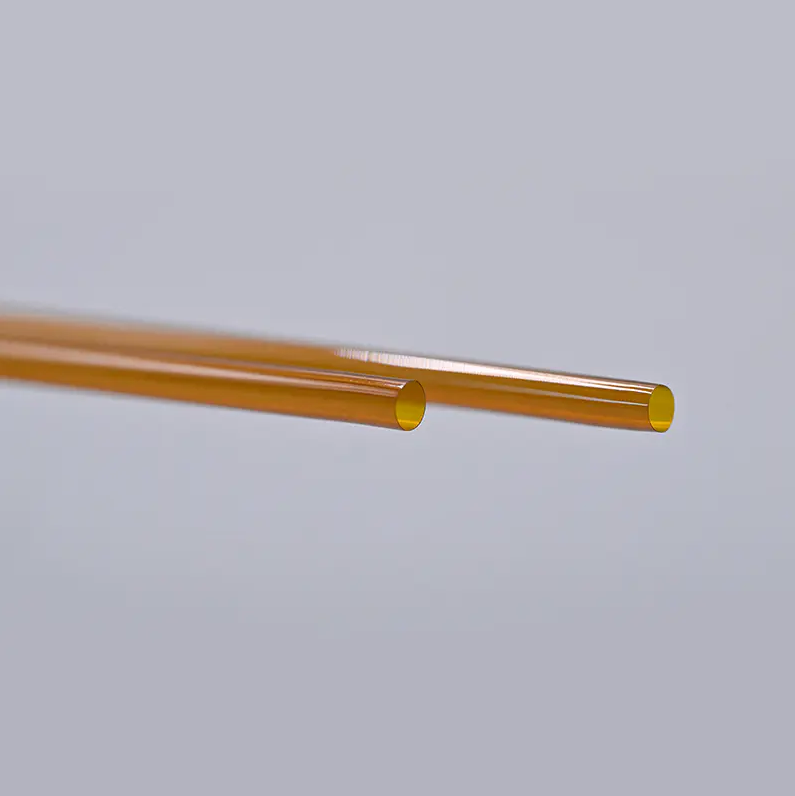
20Mar-2026The Comparison of Polyimide Tubing vs Other Insulation Materials in Medical Applications
-
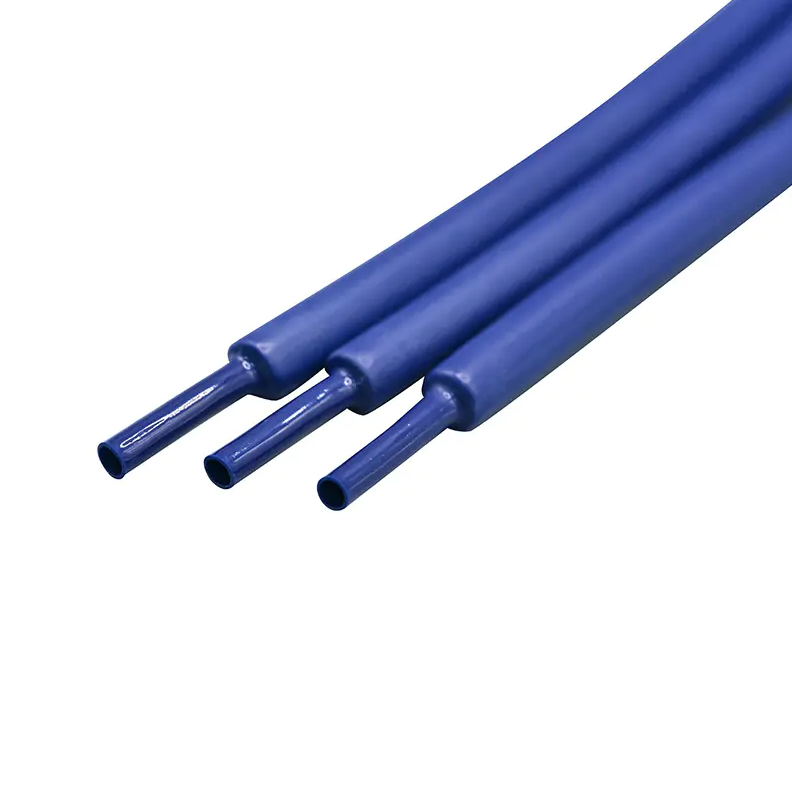
13Mar-2026What is heat shrink tubing used for?Heat shrink tubing is a thermoplastic tube that contracts when exposed to heat, forming a tight, protective sleeve around wires, components, or medical devices. It is used primarily for electrical insulation, mechanical protection, strain relief, bundling, and sealing — and in medical applications, it plays a critical role in catheter construction, device encapsulation, and precise dimensional control of tubing assemblies. Core Functions of Heat Shrink Tubing Heat shrink tubing serves a broad range of functional roles across industries. Understanding these core applications helps engineers and designers choose the right material and wall thickness for their specific needs. Electrical insulation: Covers exposed conductors, solder joints, and terminals to prevent short circuits and protect against voltage up to several kilovolts depending on wall thickness. Mechanical protection: Shields cables and components from abrasion, chemicals, UV radiation, and moisture ingress. Strain relief: Reduces stress at cable entry points, extending the service life of connectors by distributing bending forces over a larger area. Bundling and organization: Groups multiple wires or tubes into a single, manageable assembly. Identification and color-coding: Available in numerous colors for circuit labeling, enabling fast and error-free maintenance. Sealing: Adhesive-lined variants create waterproof, environmental seals around splices and connectors. Heat Shrink Tubing in Medical Device Manufacturing The medical industry represents one of the most demanding application environments for heat shrink tubing. Here, it is not merely a protective sleeve — it is an engineered component with direct patient-safety implications. Medical-grade heat shrink tubing is used in the following critical processes: Catheter Construction and Layer Lamination Heat shrink tubing is applied during catheter assembly to bond layers, control outer diameter, and create smooth, atraumatic profiles. A typical balloon catheter shaft may use a dual-layer shrink process to laminate a braided reinforcement layer onto an inner liner, achieving burst pressures above 20 atm while maintaining the flexibility needed for vascular navigation. Tip Forming and Distal End Shaping Precise heat application through shrink tubing enables consistent tip geometry — crucial for guiding catheters through tortuous vasculature. Tolerances in medical tip forming are often held within ±0.01 mm, requiring tubing with predictable, uniform shrink ratios across every lot. Encapsulation of Sensors and Electronic Components Minimally invasive devices frequently house pressure sensors, thermocouples, or imaging elements at their distal ends. Heat shrink tubing provides a biocompatible enclosure that protects these components from body fluids while maintaining electrical isolation throughout the device's service life. Shaft Transition and Stiffness Gradient Engineering By applying shrink tubing of varying durometers and wall thicknesses at different zones along a catheter shaft, manufacturers engineer a controlled flexibility gradient — stiff proximally for pushability, flexible distally for trackability. This technique is central to modern interventional catheter design and is one of the defining advantages of working with experienced medical tubing specialists. Common Materials and Their Properties The choice of material determines shrink temperature, flexibility, chemical resistance, and biocompatibility. The table below summarizes the most widely used materials in both medical and industrial contexts: Material Shrink Temp (°C) Shrink Ratio Key Advantage Typical Application PET (Polyester) 120–150 2:1 / 4:1 High strength, ultra-thin wall Catheter shaft lamination PTFE 327+ 1.3:1 Lubricity, chemical inertness Liner processing, guidewire sheaths FEP 150–200 1.3:1 Transparency, biocompatibility Medical assembly, encapsulation PEBA / Pebax® 90–130 2:1 Flexibility, wide durometer range Balloon catheters, soft tip forming Polyolefin 70–120 2:1 / 3:1 Low cost, versatile Wire harnessing, general industry Comparison of common heat shrink tubing materials and their primary medical and industrial applications Key Parameters to Specify When Selecting Heat Shrink Tubing Selecting the wrong tubing can result in processing failures, delamination, or dimensional non-conformance. The following parameters must be clearly defined before procurement or process development: Supplied (expanded) inner diameter: Must be larger than the substrate OD to allow easy loading without distorting the substrate. Recovered (shrunk) inner diameter: Must match the final target dimension of the finished assembly after full thermal shrinkage. Recovered wall thickness: Determines mechanical strength and how much the tubing contributes to the overall OD of the finished device. Shrink ratio: Common ratios are 2:1, 3:1, and 4:1; higher ratios offer more substrate coverage flexibility across varying diameters. Activation temperature: Must align with the heat tolerance of underlying materials and any pre-applied adhesives or coatings. Biocompatibility certification: ISO 10993 compliance is mandatory for any material in patient-contact medical applications. Industrial and Aerospace Applications Beyond medical devices, heat shrink tubing is foundational to wire harness manufacturing in automotive, aerospace, and industrial automation. In aerospace, MIL-DTL-23053 governs heat shrink tubing specifications, requiring flame retardancy, fluid resistance, and continuous service temperatures from −55°C to +150°C or above. Automotive applications use adhesive-lined polyolefin to weatherproof under-hood connectors, where vibration and thermal cycling impose both mechanical and chemical stress simultaneously. In industrial robotics, flexible heat shrink protects cable runs at articulation joints that may undergo tens of millions of flex cycles across a machine's service life. How LINSTANT Applies Heat Shrink Technology in Medical Polymer Tubing LINSTANT has been dedicated to medical polymer tubing since its founding in 2014, specializing in extrusion processing, coating, and post-processing technologies for medical device manufacturers worldwide. The company's core work directly intersects with heat shrink tubing applications: catheter shaft construction, balloon tube lamination, and stiffness-gradient engineering all depend on the kind of precise shrink process control that LINSTANT has developed over more than a decade of focused manufacturing experience. LINSTANT's product portfolio addresses the full spectrum of catheter and medical tubing construction needs: Single-layer and multilayer extruded tubing for catheter shaft construction Single-lumen and multi-lumen configurations for complex, multi-function catheter designs Single-layer, dual-layer, and triple-layer balloon tubing — a core application where heat shrink lamination directly determines balloon burst strength, compliance profile, and dimensional consistency Spiral and braided reinforced sheaths engineered for pushability and torque transmission in vascular access devices PEEK and Polyimide (PI) tubing for demanding engineering applications requiring extreme chemical and thermal resistance Surface treatment solutions including hydrophilic coatings, which are often applied after the shrink process to enhance lubricity in vascular and urological devices LINSTANT's commitment to medical device manufacturers is built on precise process development capabilities and stable, repeatable production output — two qualities that are non-negotiable when heat shrink tubing functions as a structural component in life-critical devices where dimensional variance of even a few microns can affect clinical outcomes. Best Practices for Applying Heat Shrink Tubing in Medical Manufacturing Achieving consistent results — particularly in medical device production — requires disciplined process controls at every stage of heat shrink application: Use calibrated heat sources: Heat guns, ovens, and mandrel-based reflow systems must be calibrated to ±5°C or better to ensure uniform shrinkage without over-processing underlying materials. Control mandrel dimensions precisely: The mandrel OD determines the recovered ID of the finished assembly; dimensional variation in the mandrel is a primary source of non-conformance in catheter lamination. Pre-dry hygroscopic materials: Materials such as Pebax® absorb ambient moisture, which can cause voids or surface defects during shrink processing; pre-drying at 60–80°C for 4–8 hours is standard practice before processing. Validate shrink profiles with first-article inspection: Measure recovered OD, wall thickness, and surface quality on the first production units before committing to a full manufacturing run. Document and control cool-down rates: Rapid cooling can lock in residual stress; controlled, gradual cooling supports dimensional stability, particularly in multi-layer catheter laminations where different materials have differing coefficients of thermal expansion. Frequently Asked Questions About Heat Shrink Tubing What shrink ratio is best for medical catheter lamination? For most catheter lamination processes, a 2:1 PET shrink tube with a thin recovered wall (0.0005″–0.002″) is the standard choice. A 4:1 ratio is used when the expanded diameter needs to accommodate a wide range of substrate sizes, such as in facilities producing multiple catheter sizes on a shared fixture. Can heat shrink tubing bond layers together without adhesive? In many catheter lamination processes, the compressive force of the shrinking tube — combined with the heat that softens the underlying polymer layers — is sufficient to create a laminate bond without separate adhesive. However, for applications requiring a hermetic seal or where layer materials are chemically incompatible, adhesive-lined heat shrink or tie-layer coextrusion is used. Is all heat shrink tubing biocompatible for medical use? No. ISO 10993 testing — covering cytotoxicity, sensitization, and hemocompatibility — is required for any material with patient contact. FEP, PTFE, and specific grades of Pebax® and polyolefin have established biocompatibility profiles, but lot-specific documentation is required for regulatory submissions to the FDA or CE marking bodies. How thin can heat shrink tubing walls be in precision medical applications? Ultra-thin PET heat shrink tubing with recovered wall thicknesses of 0.0005″ (12.7 µm) is achievable for precision catheter work where minimizing added OD is critical — particularly in neurovascular catheters with working diameters under 3 French, where every micron of added wall thickness directly affects the device's trackability through cerebrovascular anatomy.
-
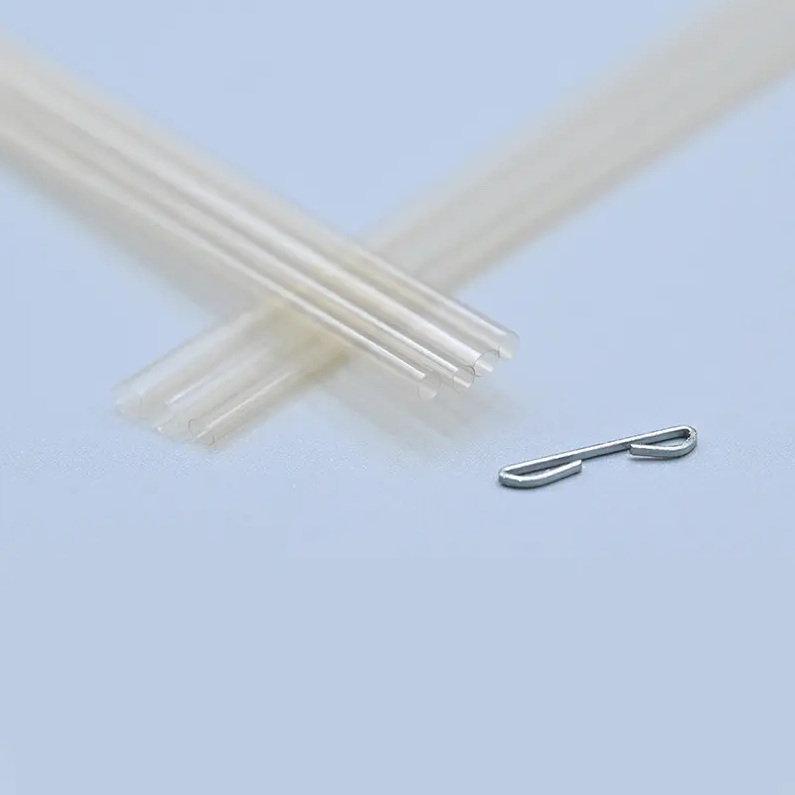
06Mar-2026পিটিএফই ইচড টিউবের অ্যাপ্লিকেশন এবং সুবিধাগুলি কী কী?পিটিএফই ইচড টিউব প্রাথমিকভাবে উচ্চ-নির্ভুল মেডিকেল ডিভাইস উত্পাদন ব্যবহৃত হয় কার্ডিওভাসকুলার ক্যাথেটার, ভাস্কুলার স্টেন্ট এবং নিউরাল ইমপ্লান্ট সহ। অসামান্য জৈব-সামঞ্জস্যতা এবং রাসায়নিক প্রতিরোধের সাথে অতি-নিম্ন ঘর্ষণকে একত্রিত করার মধ্যে এর মূল মূল্য নিহিত রয়েছে- এটিকে অপরিহার্য করে তোলে যেখানেই টিউবিং মানবদেহের অভ্যন্তরে বিরূপ প্রতিক্রিয়া সৃষ্টি না করে মসৃণভাবে গ্লাইড করতে হবে। ক্যাথেটারের বাইরের ব্যাসগুলিতে রাসায়নিক এচিং এর মাধ্যমে প্রয়োগ করা হয় এবং FEP তাপ-সঙ্কুচিত টিউবিংয়ের পাশাপাশি ব্যবহৃত হয়, PTFE এচড টিউব একটি টেকসই অভ্যন্তরীণ লুমেন আস্তরণ তৈরি করে যা কাঠামোগত অখণ্ডতা বজায় রেখে ঘর্ষণকে নাটকীয়ভাবে হ্রাস করে। কি পিটিএফই ইচড টিউব এবং কিভাবে এটি তৈরি করা হয়? PTFE (Polytetrafluoroethylene) Etched Tube হল একটি বিশেষায়িত ফ্লুরোপলিমার টিউব যার বাইরের পৃষ্ঠকে রাসায়নিকভাবে বন্ধন ক্ষমতা বাড়ানোর জন্য চিকিত্সা করা হয়েছে। প্রাকৃতিক অবস্থায়, পিটিএফই এর নন-স্টিক বৈশিষ্ট্যের কারণে অন্যান্য উপকরণের সাথে বন্ধন করা কুখ্যাতভাবে কঠিন। রাসায়নিক এচিং-সাধারণত সোডিয়াম ন্যাপথালিন বা অনুরূপ রিএজেন্ট ব্যবহার করে-আণবিক স্তরে পৃষ্ঠকে সংশোধন করে, প্রতিক্রিয়াশীল সাইট তৈরি করে যা আঠালো এবং আবরণকে একটি শক্তিশালী বন্ধন তৈরি করতে দেয়। মেডিকেল ডিভাইস অ্যাপ্লিকেশনে, খোদাই করা PTFE টিউবটি ক্যাথেটারের বাইরের ব্যাসের (OD) উপর লেপা হয় এবং তারপর FEP (ফ্লোরিনেটেড ইথিলিন প্রোপিলিন) তাপ-সঙ্কুচিত টিউবিংয়ের সাথে যুক্ত হয়। যখন তাপের নিচে FEP সঙ্কুচিত হয়, তখন এটি PTFE লাইনারকে আবদ্ধ করে এবং এটিকে শক্তভাবে লক করে রাখে, একটি মসৃণ, কম-ঘর্ষণ ভিতরের লুমেন তৈরি করে। এই দ্বি-পদার্থ নির্মাণ ব্যাপকভাবে ইন্টারভেনশনাল এবং সার্জিক্যাল ক্যাথেটার জুড়ে ব্যবহৃত হয়। PTFE Etched টিউবের মূল অ্যাপ্লিকেশন PTFE Etched টিউব কার্ডিওভাসকুলার এবং নিউরোসার্জিক্যাল শাখা জুড়ে ব্যাপকভাবে ব্যবহৃত হয়, যেখানে নির্ভুলতা এবং জৈব সামঞ্জস্যতা অ-আলোচনাযোগ্য। নীচে প্রাথমিক প্রয়োগের ক্ষেত্রগুলি রয়েছে: কার্ডিওভাসকুলার ক্যাথেটার কার্ডিয়াক ক্যাথেটারাইজেশন পদ্ধতিতে, ক্যাথেটারকে অবশ্যই ন্যূনতম প্রতিরোধের সাথে কঠিন ধমনীপথে নেভিগেট করতে হবে। PTFE Etched টিউব প্রদান করে কম ঘর্ষণ ভিতরের আস্তরণের যা গাইড তার এবং বেলুন ক্যাথেটারগুলিকে মসৃণভাবে অগ্রসর হতে দেয়, প্রক্রিয়াগত সময় হ্রাস করে এবং জাহাজের ট্রমা কমিয়ে দেয়। এর রাসায়নিক জড়তা নিশ্চিত করে যে এটি কনট্রাস্ট মিডিয়া, স্যালাইন ফ্লাশ বা রক্তের উপাদানগুলির সাথে প্রতিক্রিয়া করে না। ভাস্কুলার স্টেন্ট ডেলিভারি সিস্টেম স্টেন্ট ডেলিভারি ক্যাথেটারগুলির সুনির্দিষ্ট ধাক্কা এবং ট্র্যাকযোগ্যতা প্রয়োজন। PTFE লাইনার স্টেন্ট এবং ক্যাথেটার প্রাচীরের মধ্যে ঘর্ষণ কমায়, নিয়ন্ত্রিত, সঠিক স্টেন্ট স্থাপনকে সক্ষম করে। করোনারি এবং পেরিফেরাল ভাস্কুলার হস্তক্ষেপে, এটি একটি সফল স্থান নির্ধারণ এবং একটি পদ্ধতিগত জটিলতার মধ্যে পার্থক্য হতে পারে। নিউরাল ইমপ্লান্ট এবং নিউরোসার্জিক্যাল ডিভাইস নিউরোসার্জারিতে, PTFE ইচড টিউবগুলি গভীর মস্তিষ্কের উদ্দীপনা (DBS) সীসা, ভেন্ট্রিকুলার শান্ট এবং অন্যান্য নিউরাল ইমপ্লান্টে ব্যবহৃত হয়। উপাদান এর চমৎকার অস্তরক নিরোধক (অস্তরক শক্তি প্রায় 60 কেভি/মিমি) সংবেদনশীল বৈদ্যুতিক সংকেত রক্ষা করে, যখন এর জৈব সামঞ্জস্যতা দীর্ঘমেয়াদী ইমপ্লান্টেশন সময়কালে টিস্যু প্রতিক্রিয়াশীলতাকে হ্রাস করে। ডায়াগনস্টিক এবং ইন্টারভেনশনাল এন্ডোস্কোপি এন্ডোস্কোপ এবং ব্রঙ্কোস্কোপে পিটিএফই-রেখাযুক্ত কাজের চ্যানেলগুলি উপাদানের রাসায়নিক প্রতিরোধের থেকে উপকৃত হয়, বিশেষ করে যখন এনজাইমেটিক ক্লিনিং এজেন্ট এবং জীবাণুনাশকগুলির সংস্পর্শে আসে। নন-স্টিক পৃষ্ঠটি জৈবিক আমানতকে লুমেন প্রাচীরের সাথে লেগে থাকতে বাধা দেয়। ড্রাগ-কোটেড বেলুন (DCB) ক্যাথেটার ড্রাগ-এলুটিং বেলুন সিস্টেমে, পিটিএফই লাইনার স্ফীতির সময় মসৃণ বেলুন ভাঁজ এবং উন্মোচন নিশ্চিত করে যখন ওষুধের আবরণে রাসায়নিকভাবে নিষ্ক্রিয় থাকে, প্রসবের সময় ওষুধের কার্যকারিতা সংরক্ষণ করে। পিটিএফই ইচড টিউবের ছয়টি মূল সুবিধা নিম্নলিখিত সারণীতে ছয়টি প্রাথমিক কর্মক্ষমতা সুবিধা এবং মেডিকেল ডিভাইস ইঞ্জিনিয়ারিংয়ের সাথে তাদের প্রাসঙ্গিকতা সংক্ষিপ্ত করা হয়েছে: সারণী 1: PTFE এচড টিউবের মূল কর্মক্ষমতা সুবিধা এবং তাদের মেডিকেল ডিভাইসের প্রাসঙ্গিকতা সুবিধা কী প্যারামিটার আবেদনের সুবিধা সর্বোত্তম লুব্রিসিটি ঘর্ষণ সহগ 0.04 হিসাবে কম জাহাজে মসৃণ ক্যাথেটার নেভিগেশন বায়োকম্প্যাটিবিলিটি ISO 10993 অনুগত দীর্ঘমেয়াদী ইমপ্লান্টেশনের জন্য নিরাপদ অস্তরক নিরোধক ~60 কেভি/মিমি অস্তরক শক্তি নিউরাল ইমপ্লান্টে সংকেত অখণ্ডতা রাসায়নিক প্রতিরোধ কার্যত সমস্ত দ্রাবক এবং অ্যাসিড প্রতিরোধী জীবাণুমুক্তকরণ এবং পরিষ্কারের প্রক্রিয়াগুলিতে স্থিতিশীল আবহাওয়া প্রতিরোধ -200°C থেকে 260°C পর্যন্ত স্থিতিশীল নির্বীজনে নির্ভরযোগ্য (EtO, গামা, অটোক্লেভ) শিখা প্রতিবন্ধকতা UL94 V-0 রেট করা হয়েছে ইলেক্ট্রোসার্জিক্যাল পরিবেশে বর্ধিত নিরাপত্তা সর্বোত্তম লুব্রিসিটি PTFE-তে সাধারণত যেকোনো কঠিন পদার্থের ঘর্ষণের সর্বনিম্ন সহগ থাকে 0.04 এবং 0.10 এর মধ্যে লোড এবং গতির উপর নির্ভর করে। ক্যাথেটার-ভিত্তিক হস্তক্ষেপের জন্য, এর অর্থ হল কম সন্নিবেশ শক্তি, কম রোগীর অস্বস্তি এবং জটিল নেভিগেশনের সময় জাহাজের ছিদ্রের কম ঝুঁকি। যখন খোদাই করা হয় এবং FEP ওভার-টিউবিংয়ের সাথে মিলিত হয়, তখন এই লুব্রিসিটি বজায় থাকে যখন বন্ধনের শক্তি উল্লেখযোগ্যভাবে উন্নত হয়। বায়োকম্প্যাটিবিলিটি PTFE একটি জৈবিকভাবে নিষ্ক্রিয় উপাদান হিসাবে শ্রেণীবদ্ধ করা হয় এবং 1950 সাল থেকে ইমপ্লান্টযোগ্য ডিভাইসগুলিতে ব্যবহৃত হয়। এটি প্রদাহজনক প্রতিক্রিয়া ট্রিগার করে না, প্রোটিন সহজে শোষণ করে না এবং ব্যাকটেরিয়া আনুগত্য প্রতিরোধী। কার্ডিওভাসকুলার এবং নিউরাল অ্যাপ্লিকেশনগুলিতে ব্যবহৃত PTFE ইচড টিউবগুলি অবশ্যই পূরণ করতে হবে ISO 10993 বায়োকম্প্যাটিবিলিটি স্ট্যান্ডার্ড , যা সাইটোটক্সিসিটি, সংবেদনশীলতা, এবং সিস্টেমিক বিষাক্ততার মূল্যায়ন করে—এমন মানদণ্ড যা PTFE ধারাবাহিকভাবে সন্তুষ্ট করে। অস্তরক নিরোধক প্রায় 2.1 এর অস্তরক ধ্রুবক এবং 60 kV/mm এর কাছাকাছি অস্তরক শক্তি সহ, PTFE এচড টিউব চমৎকার বৈদ্যুতিক নিরোধক প্রদান করে। এটি নিউরাল স্টিমুলেশন লিড এবং ইলেক্ট্রোফিজিওলজি ক্যাথেটারের ক্ষেত্রে গুরুত্বপূর্ণ, যেখানে সিগন্যাল লিকেজ ডিভাইসের কার্যক্ষমতার সাথে আপস করতে পারে বা অনিচ্ছাকৃত টিস্যু উদ্দীপনার কারণ হতে পারে। রাসায়নিক প্রতিরোধ ঘনীভূত সালফিউরিক অ্যাসিড, হাইড্রোফ্লুরিক অ্যাসিড এবং বেশিরভাগ জৈব দ্রাবক সহ প্রায় সমস্ত পরিচিত দ্রাবক, অ্যাসিড এবং ঘাঁটিতে PTFE রাসায়নিকভাবে নিষ্ক্রিয়। এটি ইমেজিং-নির্দেশিত পদ্ধতিতে ব্যবহৃত আক্রমনাত্মক নির্বীজন এজেন্ট এবং কনট্রাস্ট মিডিয়ার সাথে PTFE এচড টিউবগুলিকে সামঞ্জস্যপূর্ণ করে তোলে। ডিভাইস নির্মাতারা দীর্ঘ শেলফ লাইফ এবং একাধিক নির্বীজন চক্র জুড়ে স্থিতিশীল কর্মক্ষমতা থেকে উপকৃত হয়। আবহাওয়া এবং তাপমাত্রা প্রতিরোধ PTFE একটি ব্যতিক্রমী তাপমাত্রা পরিসীমা জুড়ে তার যান্ত্রিক এবং রাসায়নিক বৈশিষ্ট্য বজায় রাখে, থেকে -200°C থেকে 260°C . এই স্থিতিশীলতার অর্থ হল ডিভাইসগুলি ইথিলিন অক্সাইড (EtO), গামা ইরেডিয়েশন এবং অটোক্লেভ নির্বীজন-এর মাধ্যমে তাদের মাত্রিক নির্ভুলতা এবং পৃষ্ঠের বৈশিষ্ট্যগুলি ধরে রাখে - মেডিকেল ডিভাইস উত্পাদনের সমস্ত সাধারণ পদ্ধতি। শিখা প্রতিবন্ধকতা PTFE একটি UL94 V-0 ফ্লেম রিটার্ডেন্সি রেটিং অর্জন করে, যার অর্থ এটি একটি শিখা উত্স সরানোর পরে 10 সেকেন্ডের মধ্যে স্ব-নিভিয়ে যায় এবং জ্বলন্ত কণাগুলিকে ফোঁটা দেয় না। ইলেক্ট্রোসার্জিক্যাল এবং এনার্জি-ভিত্তিক ক্যাথেটার অ্যাপ্লিকেশানগুলিতে, এই সম্পত্তিটি একটি গুরুত্বপূর্ণ নিরাপত্তা ফ্যাক্টর, বিশেষ করে অপারেটিং রুমের পরিবেশে যেখানে ইগনিশন ঝুঁকি অবশ্যই কমিয়ে আনা উচিত। পিটিএফই ইচড টিউব বনাম অন্যান্য ক্যাথেটার লাইনার সামগ্রী ডিভাইস ইঞ্জিনিয়াররা প্রায়ই বিকল্প লাইনার উপকরণের সাথে PTFE তুলনা করে। নীচের টেবিলটি একটি সরাসরি তুলনা প্রদান করে: সারণি 2: ক্যাথেটার ইনার লাইনার অ্যাপ্লিকেশনের জন্য উপাদান তুলনা উপাদান ঘর্ষণ সহগ বায়োকম্প্যাটিবিলিটি সর্বোচ্চ তাপমাত্রা (°সে) রাসায়নিক প্রতিরোধ বন্ধনযোগ্যতা (খোদাই করা) PTFE (খোদাই করা) ০.০৪–০.১০ চমৎকার 260 চমৎকার উচ্চ (এচিং পরে) FEP 0.10-0.20 ভাল 200 ভাল পরিমিত নাইলন (PA) 0.15-0.40 ভাল 120 পরিমিত উচ্চ উঁকি ০.৩৫–০.৪৫ চমৎকার 250 ভাল উচ্চ PTFE-এর সর্বনিম্ন ঘর্ষণ এবং বিস্তৃত রাসায়নিক প্রতিরোধের সংমিশ্রণ, পোস্ট-এচিং বন্ডেবিলিটির সাথে এটিকে অভ্যন্তরীণ ক্যাথেটার লাইনারগুলির জন্য পছন্দের পছন্দ করে তোলে-বিশেষত জটিল, ন্যূনতম আক্রমণাত্মক পদ্ধতিতে যেখানে গাইড তারের কার্যকারিতা গুরুত্বপূর্ণ। PTFE Etched টিউব নির্দিষ্ট করার সময় ডিজাইন বিবেচনা ক্যাথেটার বা ইমপ্লান্ট অ্যাপ্লিকেশনের জন্য পিটিএফই ইচড টিউব নির্দিষ্ট করা ইঞ্জিনিয়ারদের নিম্নলিখিত পরামিতিগুলি মূল্যায়ন করা উচিত: প্রাচীর বেধ: পাতলা দেয়াল (যেমন, 0.001"–0.003") লুব্রিসিটি বজায় রাখার সময় বাইরের ব্যাসের পদচিহ্ন কমায়; উচ্চ-ফরাসি-গণনা ক্যাথেটার ডিজাইনের জন্য গুরুত্বপূর্ণ। এচিং গভীরতা এবং অভিন্নতা: অপর্যাপ্ত এচিং FEP বা আঠালো স্তরগুলির আনুগত্য হ্রাস করে; ওভার-এচিং যান্ত্রিক বৈশিষ্ট্যের সাথে আপস করতে পারে। টিউবের দৈর্ঘ্য জুড়ে সামঞ্জস্যপূর্ণ পৃষ্ঠ সক্রিয়করণ অপরিহার্য। মাত্রিক সহনশীলতা: অভ্যন্তরীণ এবং বাইরের ব্যাসের সহনশীলতা সরাসরি লুমেন পেটেন্সি এবং গাইড তারের সাথে সামঞ্জস্যকে প্রভাবিত করে (যেমন, 0.014", 0.018", 0.035" মান মাপ)। FEP তাপ-সঙ্কুচিত সামঞ্জস্যতা: সংকোচন অনুপাত, সঙ্কুচিত তাপমাত্রা, এবং FEP ওভার-টিউবিংয়ের প্রাচীরের পুরুত্ব একটি সামঞ্জস্যপূর্ণ, অকার্যকর-মুক্ত বন্ড নিশ্চিত করতে PTFE লাইনারের সাথে মিলিত হওয়া আবশ্যক। নির্বীজন পদ্ধতি: PTFE EtO, গামা, এবং ই-বিম জীবাণুমুক্তকরণের সাথে সামঞ্জস্যপূর্ণ, তবে ডিভাইস নির্মাতাদের অবশ্যই যাচাই করা উচিত যে নির্দিষ্ট টিউব লট জীবাণুমুক্তকরণের পরে মাত্রিক স্থিতিশীলতা বজায় রাখে। কেন জন্য LINSANT চয়ন করুন পিটিএফই ইচড টিউব ম্যানুফ্যাকচারিং LINSTANT প্রায় কাজ করে 20,000 বর্গ মিটার ক্লিনরুম উত্পাদন স্থান , GMP প্রয়োজনীয়তাগুলির সাথে সম্পূর্ণরূপে সঙ্গতিপূর্ণ - মেডিকেল-গ্রেড PTFE এচড টিউব উত্পাদন করার জন্য একটি অপরিহার্য ভিত্তি যা কার্ডিওভাসকুলার এবং নিউরোসার্জিক্যাল ডিভাইস নির্মাতাদের কঠোর প্রয়োজনীয়তা পূরণ করে। আমাদের উত্পাদন পরিকাঠামো নির্ভুল ফ্লুরোপলিমার টিউব উত্পাদনের জন্য উদ্দেশ্য-নির্মিত এবং এতে রয়েছে: 15টি আমদানি করা এক্সট্রুশন লাইন বিভিন্ন স্ক্রু মাপ এবং একক-স্তর, দ্বৈত-স্তর, এবং তিন-স্তর সহ-এক্সট্রুশন ক্ষমতা সহ-একটি বিস্তৃত মাত্রিক পরিসর জুড়ে আঁট-সহনশীল PTFE টিউব উত্পাদন সক্ষম করে। 8 ডেডিকেটেড PEEK এক্সট্রুশন লাইন , উচ্চ-কর্মক্ষমতা পলিমার প্রক্রিয়াকরণে আমাদের দক্ষতা প্রতিফলিত করে যা PTFE এবং ফ্লুরোপলিমার পরিবারগুলিতে প্রসারিত। 2 ইনজেকশন ছাঁচনির্মাণ লাইন , সম্পূর্ণ ক্যাথেটার সমাবেশের জন্য শেষ-কম্পোনেন্ট ফ্যাব্রিকেশন সমর্থন করে। প্রায় 100টি ব্রেডিং, কয়েলিং এবং লেপ সরঞ্জাম সেট , PTFE লাইনারকে একীভূত করে এমন চাঙ্গা ক্যাথেটার শ্যাফ্ট তৈরির জন্য গুরুত্বপূর্ণ। 40 ঢালাই এবং গঠন সরঞ্জাম সেট , সমর্থন টিপ গঠন, বন্ধন, এবং সমাবেশ অপারেশন. এই ইন্টিগ্রেটেড ম্যানুফ্যাকচারিং ইকোসিস্টেমের মানে হল যে LINSTANT শুধুমাত্র PTFE Etched Tube সরবরাহকে কাঁচামাল হিসেবেই সমর্থন করতে পারে না, বরং সমাপ্ত বা আধা-সমাপ্ত ক্যাথেটার অ্যাসেম্বলিতে এর ডাউনস্ট্রীম ইন্টিগ্রেশনকেও সমর্থন করতে পারে—ডিভাইস OEM-এর জন্য সাপ্লাই চেইন জটিলতা হ্রাস করে। আমাদের ক্ষমতা উচ্চ-ভলিউম বা বহু-SKU প্রোগ্রামগুলির জন্যও নির্ভরযোগ্য অর্ডার পূর্ণতা নিশ্চিত করে , LINSTANT কে বিশ্বব্যাপী মেডিকেল ডিভাইস কোম্পানিগুলির জন্য একটি কৌশলগত উত্পাদন অংশীদার করে তোলে। PTFE Etched Tube পারফরম্যান্স বৈশিষ্ট্যগুলির একটি অনন্য সমন্বয় সরবরাহ করে- সর্বোত্তম লুব্রিসিটি, জৈব সামঞ্জস্যতা, অস্তরক নিরোধক, রাসায়নিক প্রতিরোধ, তাপমাত্রা স্থিতিশীলতা এবং শিখা প্রতিবন্ধকতা -যে অন্য কোন একক উপাদান বর্তমানে ক্যাথেটার ভিতরের লুমেন অ্যাপ্লিকেশনের জন্য মেলে না। কার্ডিয়াক ক্যাথেটারাইজেশন, ভাস্কুলার স্টেন্ট ডেলিভারি, বা নিউরাল ইমপ্লান্টে ব্যবহার করা হোক না কেন, খোদাই করা পৃষ্ঠ FEP হিট-সঙ্কুচিত টিউবিংয়ের সাথে নির্ভরযোগ্য বন্ধন সক্ষম করে, একটি কুখ্যাতভাবে অ-আঠালো উপাদানকে একটি নির্ভুল-ইঞ্জিনিয়ারযুক্ত, বন্ধনযোগ্য লাইনারে রূপান্তরিত করে। যেহেতু ন্যূনতম আক্রমণাত্মক পদ্ধতিগুলি জটিলতার মধ্যে বাড়তে থাকে এবং রোগীর জনসংখ্যা বিশ্বব্যাপী প্রসারিত হয়, উচ্চ-কার্যক্ষমতা সম্পন্ন PTFE এচড টিউবের চাহিদা কেবল বৃদ্ধি পাবে৷
-
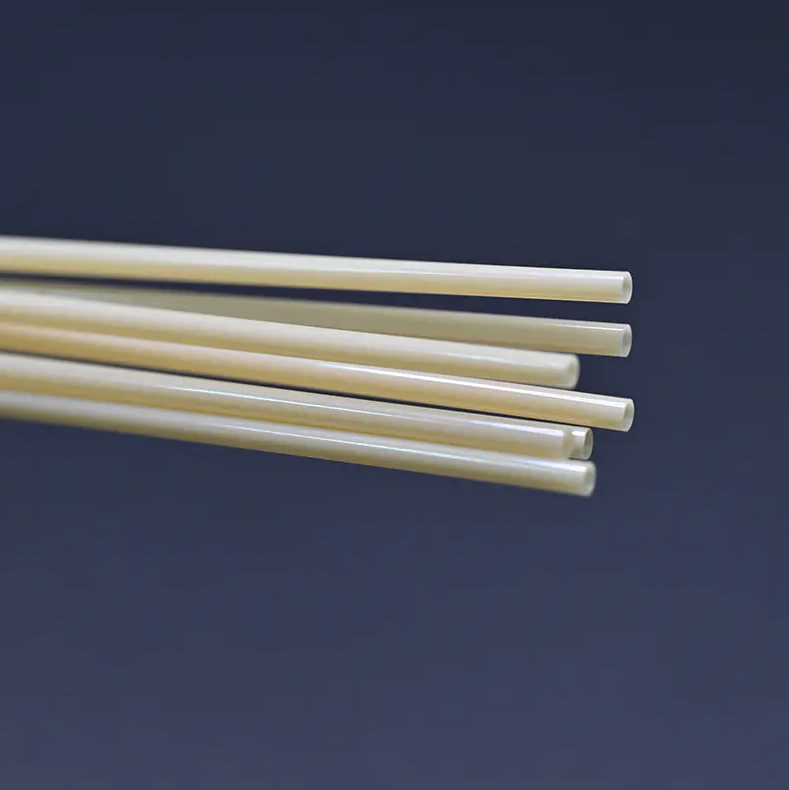
06Feb-2026কিভাবে ফ্লেয়ার বা টিপ মেডিকেল পিক টিউবিং?উদ্দীপ্ত বা টিপিং মেডিকেল পিক টিউবিং প্রাথমিকভাবে নির্ভুল তাপ প্রক্রিয়াকরণের মাধ্যমে অর্জন করা হয়। PEEK-এর (পলিথার ইথার কিটোন) অত্যন্ত উচ্চ গলনাঙ্কের কারণে (প্রায় 343 ডিগ্রি সেলসিয়াস), প্রথাগত ঠান্ডা কাজের পদ্ধতিগুলি স্থায়ীভাবে এটিকে বিকৃত করতে পারে না। সাধারণ প্রক্রিয়ায় ক্যাথেটারের প্রান্তটি একটি সুনির্দিষ্টভাবে তাপমাত্রা-নিয়ন্ত্রিত ইন্ডাকশন হিটিং কয়েলে স্থাপন করা জড়িত। একবার উপাদানটি তার সফ্টনিং পয়েন্টে পৌঁছে গেলে, একটি নির্ভুল ম্যান্ড্রেল বা ছাঁচ এটিকে শারীরিকভাবে বের করে দিতে এবং আকার দিতে ব্যবহৃত হয়। একটি পেশাদার মেডিকেল ডিভাইস উপাদান অংশীদার হিসাবে, LINSTANT, তার উন্নত উত্পাদন সুবিধার সাথে, নিশ্চিত করে যে প্রতিটি মেডিকেল পিক টিউবিং ক্যাথেটার আকৃতির পরে চমৎকার জৈব সামঞ্জস্যতা এবং যান্ত্রিক শক্তি বজায় রাখে। কেন মেডিকেল পিক টিউবিংয়ের জন্য গঠনের প্রক্রিয়াগুলি এত দাবি করা হয়? মেডিকেল ডিভাইস উত্পাদন ক্ষেত্রে, মেডিকেল পিক টিউবিং তাদের চমৎকার শক্তি-থেকে-ওজন অনুপাত এবং রাসায়নিক জড়তার জন্য পরিচিত। যাইহোক, নিখুঁত সেকেন্ডারি প্রসেসিং (যেমন ফ্লারিং বা ওয়েল্ডিং) অর্জনের জন্য টিউবিংয়ের আসল এক্সট্রুশন মানের উপর কঠোর প্রয়োজনীয়তা প্রয়োজন। LINSTANT-এর প্রায় 20,000 বর্গ মিটার ক্লিনরুম স্পেস রয়েছে, যা GMP প্রয়োজনীয়তাগুলির সাথে সম্পূর্ণরূপে সঙ্গতিপূর্ণ৷ আমরা বুঝতে পারি যে এমনকি সামান্য ধূলিকণা বা অপবিত্রতা থার্মোফর্মিং প্রক্রিয়া চলাকালীন ফাটল সৃষ্টি করতে পারে। আটটি ডেডিকেটেড PEEK এক্সট্রুশন প্রোডাকশন লাইনের মাধ্যমে, আমরা বিশ্বব্যাপী গ্রাহকদেরকে মাত্রাগতভাবে স্থিতিশীল, অত্যন্ত বিশুদ্ধ, উচ্চ-পারফরম্যান্স টিউবিং প্রদান করতে পারি, গঠন প্রক্রিয়ার সময় কার্বনাইজেশন এবং ভঙ্গুরতার ব্যথার পয়েন্টগুলিকে সম্বোধন করে। মেডিকেল পিক ক্যাথেটার গঠনের মূল প্রযুক্তিগত পদক্ষেপ কার্ডিওভাসকুলার হস্তক্ষেপ বা এন্ডোস্কোপিক যন্ত্রের নকশায়, নিম্নলিখিত সূক্ষ্ম প্রক্রিয়াকরণ মেডিকেল পিক টিউবিং সাধারণত প্রয়োজন হয়: 1. ছাঁচ গঠন (টিপিং এবং ফ্লেয়িং) জ্বলন্ত: Luer সংযোজকগুলির সাথে সংযোগের জন্য টিউবিংয়ের শেষটি প্রসারিত করা হচ্ছে। টিপিং: মানবদেহে প্রবেশ করার সময় ট্রমা কমানোর জন্য টিউবিংয়ের শেষটি একটি বৃত্তাকার বুলেটের আকারে তৈরি করা। 2. ইন্টিগ্রেটেড শক্তিবৃদ্ধি প্রযুক্তি জটিল মেডিকেল ডিভাইস ডিজাইনের জন্য, LINSTANT-এর 40 সেট ঢালাই এবং ছাঁচনির্মাণ সরঞ্জাম এবং প্রায় 100 সেট উইভিং/স্প্রিং সরঞ্জাম PEEK টিউবিংয়ের সাথে ব্যবহার করা যেতে পারে। আমরা ঢালাই প্রযুক্তির মাধ্যমে একটি নিখুঁত মাল্টি-মেটেরিয়াল ট্রানজিশন অর্জন করে, সর্পিল বা ব্রেইডেড রিইনফোর্সমেন্ট শিথের সাথে PEEK/PI টিউবিংকে একত্রিত করতে পারি। লিন্সট্যান্ট: আপনার ওয়ান-স্টপ মেডিকেল টিউবিং ম্যানুফ্যাকচারিং বিশেষজ্ঞ অধিকার নির্বাচন মেডিকেল পিক টিউবিং ক্যাথেটার প্রস্তুতকারক শুধুমাত্র কাঁচামাল ক্রয় সম্পর্কে নয়, কিন্তু দক্ষ অর্ডার পূরণের গ্যারান্টি বেছে নেওয়ার বিষয়েও। LINSTANT এর ব্যবসার সুযোগ অন্তর্ভুক্ত: যথার্থ এক্সট্রুশন: 15টি আমদানি করা এক্সট্রুশন উত্পাদন লাইন, একক-স্তর, ডবল-লেয়ার এবং ট্রিপল-লেয়ার সহ-এক্সট্রুশন ক্ষমতাগুলি কভার করে, আমরা একক-লুমেন বা মাল্টি-লুমেন টিউবিং তৈরি করতে পারি। বৈচিত্র্যময় উপকরণ: PEEK/PI টিউবিংয়ের মতো বিশেষ প্রকৌশল সামগ্রী ছাড়াও, আমরা একক-স্তর/মাল্টি-লেয়ার বেলুন টিউবিং এবং পৃষ্ঠ চিকিত্সা সমাধানও প্রদান করি। ইন্টিগ্রেটেড ম্যানুফ্যাকচারিং: 2টি ইনজেকশন ছাঁচনির্মাণ উত্পাদন লাইনের সংমিশ্রণে, আমরা গ্রাহকদের টিউবিং এক্সট্রুশন থেকে ইনজেকশন ছাঁচনির্মাণ আনুষাঙ্গিকগুলিতে সমন্বিত সহায়তা প্রদান করি। এর ফ্লারিং এবং ছাঁচনির্মাণ প্রযুক্তি আয়ত্ত করা মেডিকেল পিক টিউবিং হস্তক্ষেপমূলক ডিভাইসের কর্মক্ষমতা উন্নত করার চাবিকাঠি। LINSTANT-এর শক্তিশালী উত্পাদন স্কেল এবং নির্ভুল প্রক্রিয়াকরণ সরঞ্জামের ব্যবহার করে, আমরা আপনাকে উচ্চ-পারফরম্যান্স টিউবিং কাস্টমাইজেশন থেকে পোস্ট-প্রসেসিং ওয়েল্ডিং এবং ছাঁচনির্মাণ পর্যন্ত ব্যাপক সহায়তা প্রদান করতে পারি।
-
23Jan-2026PTFE তাপ সঙ্কুচিত টিউবিংয়ের তাপমাত্রা পরিসীমা কী?নির্ভুল চিকিৎসা ডিভাইস এবং উচ্চ-সম্পদ শিল্প উত্পাদন ক্ষেত্রে, একটি উপাদানের তাপমাত্রা প্রতিরোধের উপরের সীমা প্রায়শই পণ্যটির নিরাপত্তা বেসলাইন নির্ধারণ করে। PTFE তাপ সঙ্কুচিত টিউবিং (পলিটেট্রাফ্লুরোইথিলিন তাপ সঙ্কুচিত টিউবিং), এর ব্যতিক্রমী শারীরিক বৈশিষ্ট্য সহ, নিরোধক এবং সুরক্ষার জন্য শিল্পের স্বীকৃত প্রথম পছন্দ হয়ে উঠেছে। I. মূল পরামিতি: PTFE হিট সঙ্কুচিত টিউবিংয়ের তাপমাত্রা সীমা PTFE তাপ সঙ্কুচিত টিউবিং তার চমৎকার তাপ স্থিতিশীলতার জন্য বিখ্যাত, এটিকে তাপ সঙ্কুচিত উপকরণগুলির মধ্যে "তাপমাত্রা প্রতিরোধের চ্যাম্পিয়ন" করে তোলে। দীর্ঘমেয়াদী অপারেটিং তাপমাত্রা: এটি -65°C থেকে 260°C পর্যন্ত চরম পরিবেশে স্থিরভাবে কাজ করতে পারে। উচ্চতর বৈশিষ্ট্য: এমনকি 260 ডিগ্রি সেলসিয়াসের উচ্চ তাপমাত্রায়, এটি চমৎকার যান্ত্রিক শক্তি এবং বৈদ্যুতিক নিরোধক বৈশিষ্ট্য বজায় রাখে। নিরাপত্তা বাধা: একটি উচ্চ-তাপমাত্রা প্রতিরোধী নিরোধক স্তর হিসাবে, এটি কার্যকরভাবে গলে যাওয়া এবং বৈদ্যুতিক শকের মতো বিপদগুলি প্রতিরোধ করে, উচ্চ-ভোল্টেজ বা উচ্চ-ফ্রিকোয়েন্সি বর্তমান পরিবেশে ব্যতিক্রমীভাবে ভাল কাজ করে। ২. LINSTANT এর পেশাগত ক্ষমতায়ন: PTFE থেকে বিশেষ প্রকৌশল সামগ্রী পর্যন্ত একজন পেশাদার সরবরাহকারী হিসাবে নির্ভুল টিউবিংয়ের ক্ষেত্রে গভীরভাবে প্রোথিত, LINSTANT-এর ব্যবসার পরিধি মৌলিকের বাইরেও প্রসারিত PTFE তাপ সঙ্কুচিত টিউবিং . আমরা বিশ্বব্যাপী গ্রাহকদের ব্যাপক টিউবিং সমাধান প্রদান করতে প্রতিশ্রুতিবদ্ধ। আমাদের পণ্য লাইন অত্যন্ত প্রযুক্তিগত ক্ষেত্র কভার করে: যথার্থ টিউবিং এক্সট্রুশন: এক্সট্রুডেড সিঙ্গেল/মাল্টি-লেয়ার টিউবিং, সিঙ্গেল-লুমেন/মাল্টি-লুমেন টিউবিং সহ। বেলুন প্রযুক্তি: উচ্চ-মানের একক/ডাবল/ট্রিপল-লেয়ার বেলুন টিউবিং প্রদান করা। চাঙ্গা কাঠামো: উচ্চ-চাপ প্রয়োগের জন্য কুণ্ডলী/বিনুনিযুক্ত চাঙ্গা চাদর অফার করা হচ্ছে। টপ-টায়ার ইঞ্জিনিয়ারিং উপকরণ: PTFE-এর পাশাপাশি, আমরা PEEK/PI-এর মতো বিশেষ প্রকৌশল সামগ্রী থেকে তৈরি টিউবিংয়ের গবেষণা ও উন্নয়ন এবং উৎপাদনেও দক্ষতা অর্জন করি। পৃষ্ঠ চিকিত্সা: বৈচিত্র্যময় ক্লিনিকাল অ্যাপ্লিকেশনগুলি পূরণের জন্য বিভিন্ন জটিল পৃষ্ঠের চিকিত্সা সমাধানগুলি মেলে। III. সাধারণ প্রয়োগের পরিস্থিতি: সার্জিকাল স্ক্যাল্পেল টিউব মোড়ানো এর আবেদন PTFE তাপ সঙ্কুচিত টিউবিং চিকিৎসা অস্ত্রোপচার ক্ষেত্রে অত্যন্ত প্রতিনিধিত্ব করে। এটি সাধারণত অস্ত্রোপচারের স্ক্যাল্পেল টিউবিং মোড়ানোর জন্য ব্যবহৃত হয়, এমন একটি অ্যাপ্লিকেশন যা উপাদানটির উপর অত্যন্ত চাহিদাপূর্ণ প্রয়োজনীয়তা রাখে। নিরোধক সুরক্ষা: ইলেক্ট্রোসার্জারিতে, PTFE আবরণ বা তাপ সঙ্কুচিত টিউবিং নিশ্চিত করে যে কারেন্ট শুধুমাত্র স্ক্যাল্পেল ডগায় কাজ করে, স্ক্যাল্পেল শ্যাফ্টে ফুটো প্রতিরোধ করে। জৈব সামঞ্জস্যতা: LINSTANT-এর মেডিকেল-গ্রেড PTFE উপকরণগুলি কঠোর জৈব সামঞ্জস্যপূর্ণ মান পূরণ করে। অতি-পাতলা দেয়ালের বেধ: LINSTANT-এর মাল্টি-লেয়ার টিউবিং এক্সট্রুশন প্রযুক্তির সংমিশ্রণে, আমরা অত্যন্ত পাতলা এবং অভিন্ন প্রাচীরের পুরুত্ব অর্জন করতে পারি, যা স্ক্যাল্পেল শ্যাফ্টের আয়তন না বাড়িয়ে সর্বোচ্চ স্তরের সুরক্ষা প্রদান করে। IV নির্মাণ বিবেচনা: PTFE তাপ সঙ্কুচিত টিউব সংকোচন প্রক্রিয়া যদিও PTFE 260°C পর্যন্ত তাপমাত্রায় ব্যবহার করা যেতে পারে, তবে এর সংকোচন প্রক্রিয়ার জন্য আরও বেশি শক্তি প্রয়োজন। PTFE এর স্ফটিক গলনাঙ্ক প্রায় 327°C; অতএব, PTFE তাপ সঙ্কুচিত টিউবিং প্রক্রিয়াকরণের জন্য সাধারণত একটি শিল্প-গ্রেডের উচ্চ-তাপমাত্রা ওভেন বা একটি অবিকল তাপমাত্রা-নিয়ন্ত্রিত হট এয়ার বন্দুকের প্রয়োজন হয়। LINSTANT শুধুমাত্র উচ্চ-মানের টিউবিংই প্রদান করে না বরং সারফেস ট্রিটমেন্ট সলিউশনে এর ব্যাপক অভিজ্ঞতা লাভ করে যাতে গ্রাহকদের প্রক্রিয়াকরণ কৌশল অপ্টিমাইজ করতে সাহায্য করে, যাতে সঙ্কুচিত টিউবিং সমতল, বুদ্বুদ-মুক্ত এবং স্থানান্তরিত না হয়। V. কেন LINSTANT বেছে নিন? চূড়ান্ত কর্মক্ষমতা অনুসরণে, উপাদান নির্বাচন অত্যন্ত গুরুত্বপূর্ণ. এর ব্যাপক সাপ্লাই চেইন ক্ষমতা সহ, একক/মাল্টিলেয়ার এক্সট্রুশন থেকে ব্রেইডেড রিইনফোর্সড শীথ পর্যন্ত, LINSTANT আপনার নির্দিষ্ট প্রয়োগের পরিস্থিতির (যেমন তাপমাত্রা প্রতিরোধ, চাপ, নমনীয়তা ইত্যাদি) উপর ভিত্তি করে সবচেয়ে উপযুক্ত PTFE সমাধানগুলি কাস্টমাইজ করতে পারে। এটি অত্যাধুনিক মেডিকেল ইন্টারভেনশনাল ক্যাথেটার হোক বা শিল্প উচ্চ-তাপমাত্রার উপাদানগুলির দাবি, LINSTANT উপাদান নির্বাচন থেকে সমাপ্ত টিউবিং পর্যন্ত ওয়ান-স্টপ সহায়তা প্রদান করে৷
-
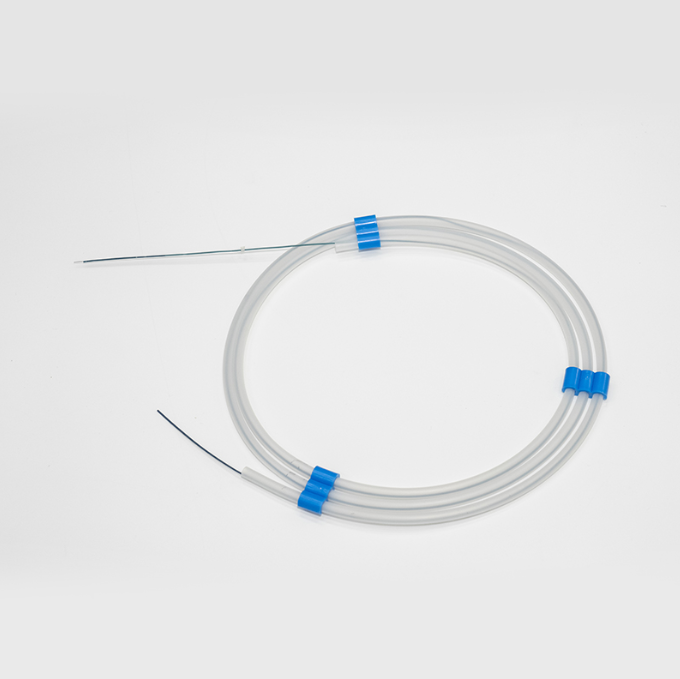
16Jan-2026কিভাবে মাইক্রো ক্যাথেটার ব্যবহার করবেন?আধুনিক ন্যূনতম আক্রমণাত্মক ইন্টারভেনশনাল মেডিসিনে, মাইক্রো ক্যাথেটার সুনির্দিষ্ট চিকিত্সার জন্য মানবদেহের ক্ষুদ্র রক্তনালী এবং গহ্বরগুলি অ্যাক্সেস করার জন্য ডাক্তারদের একটি মূল হাতিয়ার হয়ে উঠেছে। যেহেতু তাদের বাইরের ব্যাস সাধারণত 1 মিমি থেকে কম হয়, তাই এই উচ্চ-নির্ভুল মেডিকেল ডিভাইসগুলি পরিচালনা করার জন্য অত্যন্ত উচ্চ পেশাদার দক্ষতা এবং পণ্যটির গভীর বোঝার প্রয়োজন।| I. মাইক্রো ক্যাথেটারের জন্য অপারেটিং পদ্ধতি এবং মূল কৌশল মাইক্রো ক্যাথেটার স্নায়ু এবং রক্তনালীগুলির মতো জটিল স্থানে পৌঁছানোর জন্য ডিজাইন করা হয়েছে। ক্লিনিকাল ব্যবহারের মূল পদক্ষেপগুলি নিম্নরূপ: প্রস্তুতি এবং ফ্লাশিং ব্যবহারের আগে, মাইক্রোক্যাথেটারের লুমেনকে অবশ্যই হেপারিনাইজড স্যালাইন দিয়ে পুঙ্খানুপুঙ্খভাবে ফ্লাশ করতে হবে বাতাস অপসারণ করতে এবং অভ্যন্তরীণ হাইড্রোফিলিক আবরণ সক্রিয় করতে, ঘর্ষণ হ্রাস করে। গাইডওয়্যার সংযুক্তি মাইক্রো ক্যাথেটার সাধারণত "কোঅক্সিয়াল টেকনিক" ব্যবহার করে মাইক্রোগাইডওয়ারের সাথে একত্রে ব্যবহৃত হয়। মাইক্রোগাইডওয়্যারটি ক্যাথেটারে ঢোকানো হয়, এবং গাইডওয়্যারের টিপের দিকনির্দেশনা মাইক্রোক্যাথেটারকে কঠিন রক্তনালীগুলির মধ্য দিয়ে মসৃণভাবে যেতে সাহায্য করে। পুশিং এবং ট্র্যাকিং ক্যাথেটারের উচ্চতর নমনীয়তা এবং চালচলন ব্যবহার করে, ডাক্তার ধীরে ধীরে এটিকে এক্স-রে ফ্লুরোসেন্স ফ্লুরোস্কোপি পর্যবেক্ষণের অধীনে লক্ষ্য ক্ষত এলাকায় ঠেলে দেন। সুনির্দিষ্ট ড্রাগ ডেলিভারি বা স্টেন্ট বসানো একবার মাইক্রোক্যাথেটার নির্ধারিত স্থানে পৌঁছে গেলে, এটি এম্বোলিক উপাদান, কেমোথেরাপির ওষুধ সরবরাহ করতে বা স্টেন্ট ডেলিভারি সিস্টেমের জন্য একটি চ্যানেল হিসাবে ব্যবহার করা যেতে পারে। ২. কেন উচ্চ মানের মাইক্রো ক্যাথেটার চয়ন করুন? নিউরোইন্টারভেনশনাল বা পেরিফেরাল ভাস্কুলার ইন্টারভেনশনাল পদ্ধতিতে, এর কর্মক্ষমতা মাইক্রো ক্যাথেটার সাফল্যের হারকে সরাসরি প্রভাবিত করে। LINSTANT এর মাইক্রো ক্যাথেটার, তাদের চমৎকার জৈব সামঞ্জস্যতা এবং ভাঙ্গন প্রতিরোধের সাথে, মানবদেহের জটিল শারীরস্থানের সাথে পুরোপুরি খাপ খাইয়ে নেয়, দক্ষ এবং নিরাপদ ক্লিনিকাল পদ্ধতি নিশ্চিত করে। III. লিন্সট্যান্ট সম্পর্কে: আপনার পেশাদার অংশীদার ইন্টারভেনশনাল মেডিক্যাল ডিভাইসের উপাদানগুলির একটি নেতা হিসাবে, LINSTANT উচ্চ-কার্যকারিতা ক্যাথেটার সমাধান প্রদানের জন্য প্রতিশ্রুতিবদ্ধ। শক্তিশালী উৎপাদন ক্ষমতা LINSTANT একটি প্রায় 20,000 বর্গ মিটার ক্লিনরুম নিয়ে গর্ব করে, যা সম্পূর্ণ GMP প্রয়োজনীয়তার সাথে সঙ্গতিপূর্ণ। কাটিং-এজ হার্ডওয়্যার সুবিধা 15 আমদানি করা এক্সট্রুশন উত্পাদন লাইন: বিভিন্ন প্রাচীরের বেধ এবং শক্তির চাহিদা মেটাতে একক-স্তর, ডবল-লেয়ার এবং ট্রিপল-লেয়ার কো-এক্সট্রুশন সমর্থন করে। 8 PEEK এক্সট্রুশন লাইন এবং 2 ইনজেকশন ছাঁচনির্মাণ লাইন। বয়ন/স্প্রিংিং/লেপ সরঞ্জামের 100 টিরও বেশি সেট: চমৎকার সংকোচনের শক্তি এবং ডেলিভারি কর্মক্ষমতা সহ ক্যাথেটার। 40 সেট ঢালাই এবং গঠন সরঞ্জাম: ক্যাথেটার টিপ প্রক্রিয়াকরণের নির্ভুলতা নিশ্চিত করা। IV OEM মাইক্রো ক্যাথেটারের কাস্টমাইজেশন সুবিধা বিশ্বব্যাপী মেডিকেল ডিভাইস ব্র্যান্ডগুলির জন্য, একটি নির্ভরযোগ্য OEM মাইক্রোক্যাথেটার পরিষেবা প্রদানকারী খুঁজে পাওয়া বাজারের প্রতিযোগিতা বাড়ানোর চাবিকাঠি। LINSTANT, তার উন্নত সরঞ্জাম সংস্থান এবং কঠোর মান নিয়ন্ত্রণের মানগুলির সাথে, শুধুমাত্র প্রমিত পণ্য সরবরাহ করে না বরং ক্লিনিকাল চাহিদার উপর ভিত্তি করে গভীরভাবে কাস্টমাইজড OEM মাইক্রোক্যাথেটার উন্নয়ন পরিষেবাও অফার করে, দক্ষ অর্ডার পূরণ এবং উচ্চতর গুণমান নিশ্চিত করে। প্রযুক্তিগত উদ্ভাবন মাইক্রো ক্যাথেটার ন্যূনতম আক্রমণাত্মক অস্ত্রোপচারের ভবিষ্যতকে নতুন আকার দিচ্ছে। তাদের ব্যবহারের নির্দেশিকা বোঝা এবং শক্তিশালী R&D এবং উত্পাদন ব্যাকগ্রাউন্ড সহ সরবরাহকারীদের নির্বাচন করা চিকিৎসা প্রযুক্তিতে অগ্রগতি চালানোর জন্য গুরুত্বপূর্ণ ভিত্তি।
 আমাদের সাথে যোগাযোগ করুন
আপনি যদি আমাদের পণ্য আগ্রহী হন, আমাদের সাথে যোগাযোগ করুন
- যোগাযোগের বিবরণ
- Address : 5 ওক পার্ক ড, বেডফোর্ড, এমএ 01730
- Tel: +86-13061789249
- Email: [email protected]
- The information provided on this website is intended for use only in countries and jurisdictions outside of the People's Republic of China.
- পণ্য
- মেডিকেল এক্সট্রুড টিউবিং
- মেডিকেল রিইনফোর্সড টিউবিং
- পলিমাইড
- উঁকি
- বেলুন টিউবিং
- মাইক্রো ক্যাথেটার
- সেকেন্ডারি প্রসেস
- তাপ সঙ্কুচিত টিউব
- ফ্লুরোপলিমার মেডিকেল টিউবিং
- এন্ডোস্কোপ
- নেতিবাচক চাপ অ্যাক্সেস খাপ
- গাইডিং ক্যাথেটার
- অ্যাঞ্জিওগ্রাফিক ক্যাথেটার
- উচ্চ চাপ বিনুনি টিউবিং
- মেডিকেল টিউবিং সারফেস ট্রিটমেন্ট প্রক্রিয়া
- সংবাদ কেন্দ্র
- শিল্প সংবাদ
- কোম্পানির খবর
- মোবাইল টার্মিনাল

